
How to Stay Cool in Madeira with Kids | Hot Weather Guide
This practical guide covers the best times to explore, family-friendly places to swim, cooler activities and essential heat-safety tips.
How to Stay Cool in Madeira with Kids: Summer and Hot Weather Guide
Madeira is known for its mild subtropical climate, sea breezes and year-round outdoor lifestyle. The island is usually warm rather than extremely hot, but strong sunshine, high UV levels and occasional hot spells can still be tiring for babies and children—especially when a family day includes hills, long walks or a hot car.
This is not only a midsummer concern. Late August is still part of Madeira’s warm season, while September and October often bring plenty of pleasant days for exploring, swimming and spending time outdoors. Families visiting in late summer or early autumn should therefore continue to plan around the sun and heat.
The good news is that Madeira gives families plenty of ways to cool down. You can swim in volcanic pools, choose a sheltered beach, move to a cooler microclimate, take a shaded forest break or save an indoor attraction for the hottest part of the afternoon.
This guide explains how to stay cool in Madeira with kids during summer, late summer, early autumn or any unusually hot day.
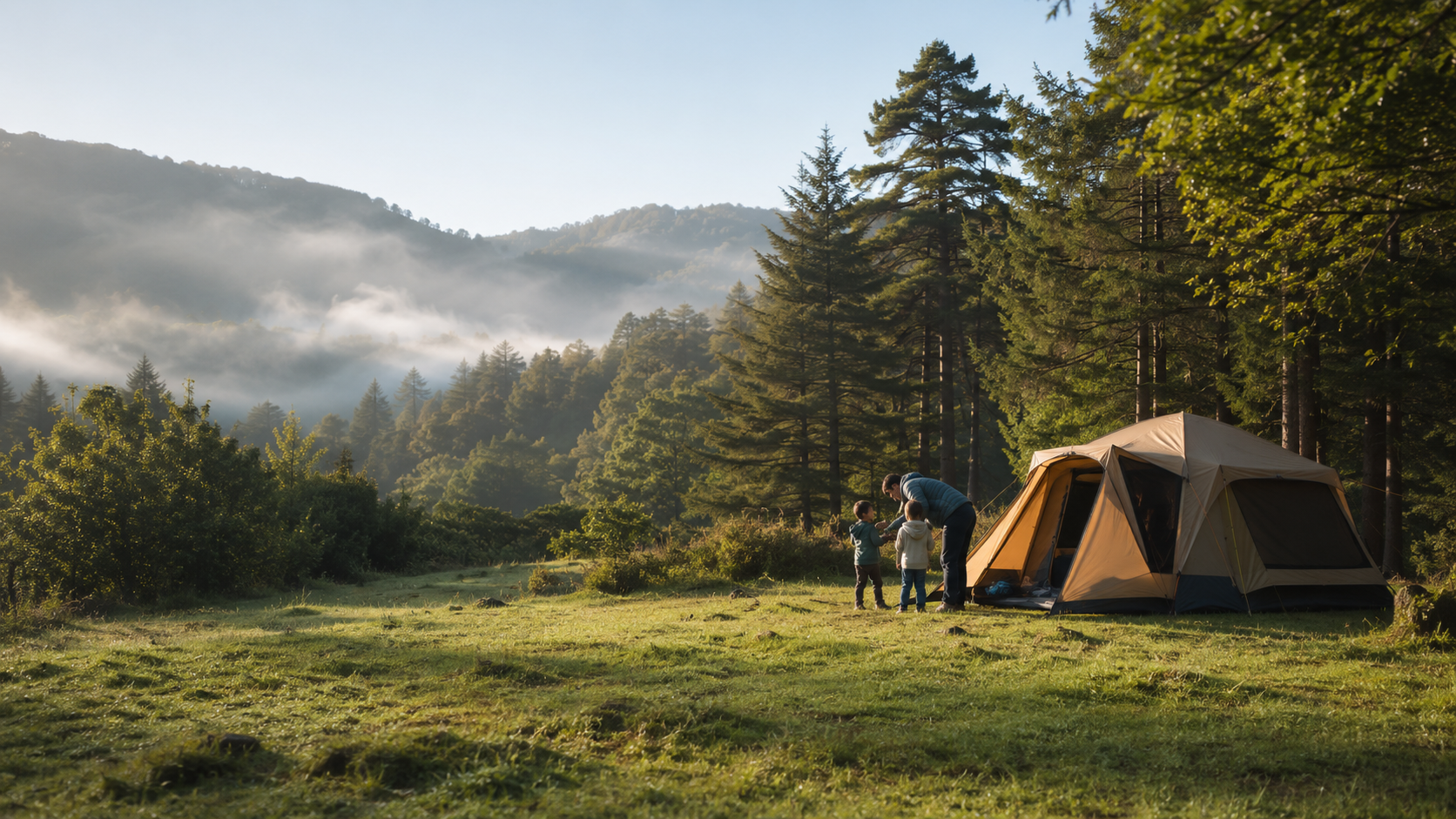
When does Madeira stay warm?
Madeira’s official tourism information describes summer as moderate, with daytime highs often around 25°C. Sea temperatures can reach about 24°C, making the warmer months a popular time for swimming. September and October can still offer many pleasant days, although the first autumn rains become more likely as the season progresses.
However, averages do not tell the whole story. Hotter periods do occur, and Madeira has several microclimates. The south coast—including Funchal, Câmara de Lobos, Ponta do Sol and Calheta—is generally warmer and drier. The north coast and mountainous areas can be cooler, cloudier, wetter or windier.
That variation can help families escape the heat, but it also means the weather at your hotel may be very different from the conditions at your destination. Check the IPMA forecast and UV index for the area you plan to visit, not only Funchal.
Use the “cool family day” formula
The easiest way to enjoy Madeira in hot weather is to organise the day around the temperature rather than trying to follow a packed itinerary.
Before 11:00 am: explore outdoors
Use the cooler morning for a garden, viewpoint, short walk, market visit or outdoor attraction. Start with breakfast, fill everyone’s water bottle and apply sunscreen before leaving your accommodation.
If you plan a levada or nature walk, choose a route that genuinely matches your children’s ages and experience. “Shaded” does not automatically mean easy, and some paths have steep drops, tunnels or slippery sections.
From 11:00 am to 5:00 pm: slow down
Portuguese health guidance recommends avoiding direct sun during these hotter hours. This is a good time for:
- A supervised swim with access to shade
- A long lunch in a cool, ventilated place
- An aquarium, museum or other indoor attraction
- Quiet time at your accommodation
- A nap for younger children
You do not need to fill every hour of a family holiday. A proper midday break often prevents tiredness, headaches and end-of-day meltdowns.
After 5:00 pm: go outside again
Late afternoon and early evening are ideal for a seaside promenade, playground, short town walk or picnic. The light is softer, the temperature is more comfortable and children often have more energy after resting.
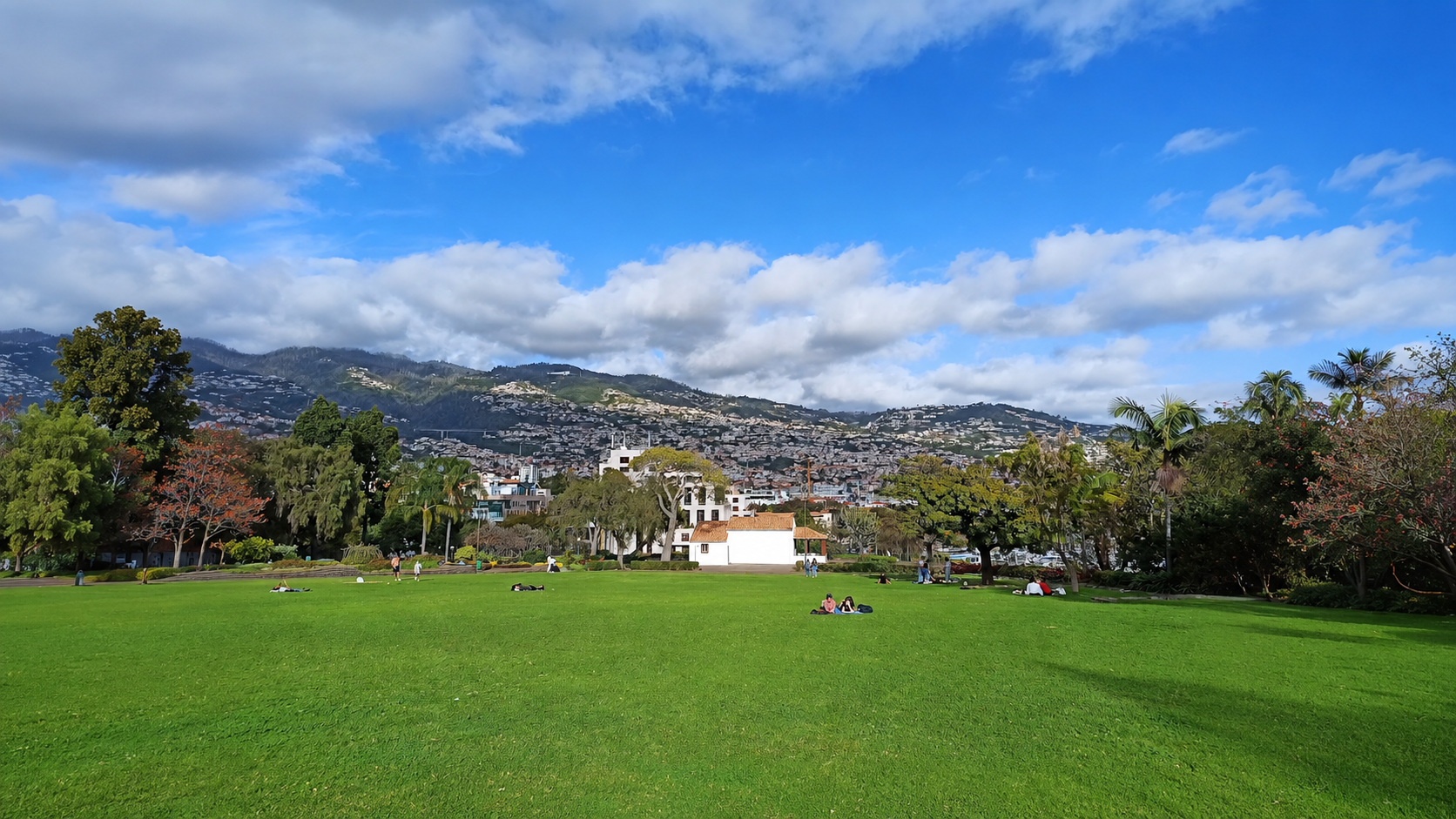
Best places to cool off in Madeira with kids
Madeira’s coast includes sandy beaches, pebble beaches, natural lava pools and managed bathing complexes. For a hot family day, facilities can matter as much as scenery: look for toilets, changing rooms, shade, easy access and a swimming area appropriate for your child.
| Place | Best for | What parents should know |
|---|---|---|
| Lido Bathing Complex, Funchal | Families staying in Funchal | A convenient coastal option with saltwater swimming and sea access. It is easy to combine with lunch or a walk along the Lido promenade. |
| Natural Pools of Porto Moniz | A full family day on the north coast | The managed complex has a children’s pool, playground, changing rooms, a first-aid post and accessible facilities. |
| Porto da Cruz Bathing Complex | Families with younger children | It has a larger pool and a separate children’s pool, as well as showers, toilets, changing rooms and parasols available for hire. |
| Calheta Beach | Children who prefer sand | The yellow-sand beach is easily accessible and protected by two piers. It is popular with families and can become busy on warm days, so arrive early. |
| Machico Beach | A relaxed beach-and-town day | A practical sandy beach close to cafés and other services, making breaks and meals easier with children. |
| Ponta Delgada Bathing Complex | A quieter north-coast alternative | This complex has two saltwater pools and a beach in a protected bay. Check current opening and sea conditions before travelling. |
Important water-safety reminder
Natural pools are still connected to the Atlantic. Conditions can change, and a place that looked calm online may be closed or unsafe on the day of your visit.
- Follow lifeguards, flags, barriers and local instructions.
- Never enter a closed pool or swimming area.
- Keep children within arm’s reach near water.
- Do not treat inflatable toys or armbands as a substitute for supervision.
- Pack water shoes for pebble beaches, hot ground and slippery volcanic rock.
- Reapply sunscreen after swimming, even if the product is labelled water-resistant.
Find shade and cooler microclimates
A swimming day is not the only way to cool down. Madeira’s altitude and forested interior can offer relief from the coast, while still giving children a memorable nature experience.
Places such as Ribeiro Frio, Fanal and Madeira’s forest recreation areas may feel fresher than Funchal or the sunny south coast. Choose a short, manageable activity rather than a demanding midday hike. Take a light layer too: mountain weather can change from warm sunshine to wind, cloud or rain surprisingly quickly.
Before entering a classified walking trail, check its official status, access rules and any required booking on the IFCN walking trails page. Weather warnings do not automatically close every trail, but individual routes may be restricted or closed for safety.
Keep an indoor backup plan
Every warm-weather itinerary should include one easy alternative for the middle of the day. This is especially useful when the sun is stronger than expected, a child is tired or the sea is rough.
Depending on where you are staying, consider:
- Madeira Aquarium in Porto Moniz, which pairs well with a north-coast day
- IMOM – Immersive Museum of Madeira in Funchal
- A child-friendly museum or cultural attraction in central Funchal
- A cinema, library, shopping centre or relaxed café break
- Returning to your accommodation for a few hours before going out again
Check opening hours and ticket availability directly with each venue, as schedules may change on public holidays or during special events.
What to pack for a hot day in Madeira
A small “cool-down kit” makes family outings much easier:
- Refillable water bottles
- High-factor, broad-spectrum sunscreen—at least SPF 30; many families choose SPF 50+ for children
- A wide-brimmed hat or a cap with good face and neck coverage
- Light, loose clothing and a UV-protective swim top
- Sunglasses with UV protection
- A small umbrella or portable sunshade where permitted
- A spray bottle or damp face cloth
- Water shoes
- Extra dry clothing after swimming
- Hydrating snacks such as fruit
- Any regular medication and a compact first-aid kit
Keep the water and sunscreen inside your day bag rather than in a hot car. When driving, use sunshades where possible and never leave a child in a parked vehicle—not even for a few minutes.
Hydration tips that work with children
Children do not always notice or communicate thirst early. Offer small drinks frequently instead of waiting for them to ask.
Make hydration part of the day:
- Drink water at breakfast and refill bottles before leaving.
- Offer water at every stop, even if your child says they are not thirsty.
- Take a water break before and after swimming.
- Pair drinks with fruit or a light snack.
- Limit very sugary drinks, which should not replace water.
For babies under six months, follow age-appropriate feeding advice. UNICEF recommends offering breastmilk or formula more frequently rather than giving water, while Portuguese health guidance says babies under six months should not be exposed to direct or indirect sun.
Sun protection matters—even when it feels breezy
Madeira’s Atlantic breeze can make a sunny day feel cooler than it really is. Clouds and wind may reduce the sensation of heat, but they do not remove UV exposure.
Portuguese health authorities advise using sunscreen of at least SPF 30, reapplying it every two hours and applying it again after swimming. Clothing, hats, sunglasses and shade should work together with sunscreen rather than relying on one measure alone.
Remember commonly missed areas: ears, neck, shoulders, hands and the tops of feet. If your child is swimming in a long-sleeved UV top, you will also have fewer exposed areas to reapply.
Know the signs of heat exhaustion in children
Stop the activity and move your child to a cooler place if they become unusually tired, irritable, dizzy, very thirsty or nauseous, or develop a headache, cramps, heavy sweating or pale, clammy skin.
Give fluids if they are able to drink, remove unnecessary clothing and cool their skin with cool water and air movement. Stay with them and monitor them closely.
Heatstroke is a medical emergency. Warning signs can include a very high temperature, hot skin without sweating, confusion, loss of coordination, fast breathing, a seizure or loss of consciousness. Call 112, Madeira’s emergency number, if you suspect heatstroke or the child is not improving promptly after cooling measures.
This section is general safety information and does not replace medical advice.
A simple hot-weather family itinerary in Funchal
Here is an example of a slower day that still feels complete:
Visit a garden, stroll through central Funchal or enjoy a viewpoint before the strongest heat.
Refill bottles, reapply sunscreen and decide whether everyone still feels comfortable.
Choose the Lido area for a swim, or move to an indoor attraction if the sun or sea conditions are not suitable.
Eat somewhere cool and unhurried. Encourage children to drink water.
Return to your accommodation, read, nap or enjoy quiet play.
Take a short promenade walk, stop at a playground or have an early dinner near the sea.
The exact activity matters less than the rhythm: active early, protected at midday and outdoors again when the heat eases.
Frequently asked questions
What is the hottest time of day in Madeira?For practical family planning, treat approximately 11:00 am to 5:00 pm as the period for extra caution. On very hot days, avoid direct sun and strenuous activity during these hours.
Madeira is usually milder than many southern European destinations, with typical summer highs around 25°C. However, hot spells, strong UV and warmer conditions on the south coast can affect children, so plan regular shade and rest breaks.
Yes. September and October can still bring plenty of pleasant days for outdoor activities, particularly near the coast. The weather becomes less predictable as autumn progresses, so keep both a swimming plan and an indoor alternative available.
There is no single area that is always coolest. The north and higher-altitude areas are often fresher than the south coast, but they may also be windy, rainy or foggy. Check the local forecast before changing areas.
Popular family options include the Lido Bathing Complex in Funchal, the managed Natural Pools of Porto Moniz, Porto da Cruz Bathing Complex, Calheta Beach and Machico Beach. The best choice depends on your child’s age, swimming ability, sea conditions and the facilities your family needs.
Yes, but start early, carry enough water, avoid strenuous midday walks and choose a route appropriate for your children. Always check the official IFCN trail status, restrictions and booking requirements before setting out.
Yes. UV radiation can still be strong when it is cloudy or breezy. Check the UV index and use sunscreen, protective clothing, a hat and shade.
Final thoughts
Staying cool in Madeira with kids is mainly about pacing. Whether you visit in July, late August, September or during an unexpected hot spell, start early, take the hottest part of the day seriously, choose swimming places with the right facilities and keep an indoor alternative ready.
Madeira rewards flexible families. If the south coast feels too hot, change the rhythm or explore a different microclimate. If the sea is rough, choose a pool or an indoor activity. If the children are tired, pause. A slower day can still become one of the best days of the holiday.
Official information and useful links
- Weather in Madeira — Visit Madeira
- When is the best time to visit Madeira? — Visit Madeira
- Weather forecasts, warnings and UV index — IPMA
- Classified walking trail status — IFCN Madeira
- Hot-weather health recommendations — Portuguese National Health Service
- Madeira Civil Protection
- Natural Pools of Porto Moniz — Visit Madeira
- Porto da Cruz Bathing Complex — Visit Madeira
- Calheta Beach — Visit Madeira
Information checked on 23 August 2026. Conditions, opening times and access rules can change. Always confirm weather, UV, sea conditions and official notices before travelling.
Enjoyed this article?
Help other families discover Madeira Kids — share it with your community.
Share this post